
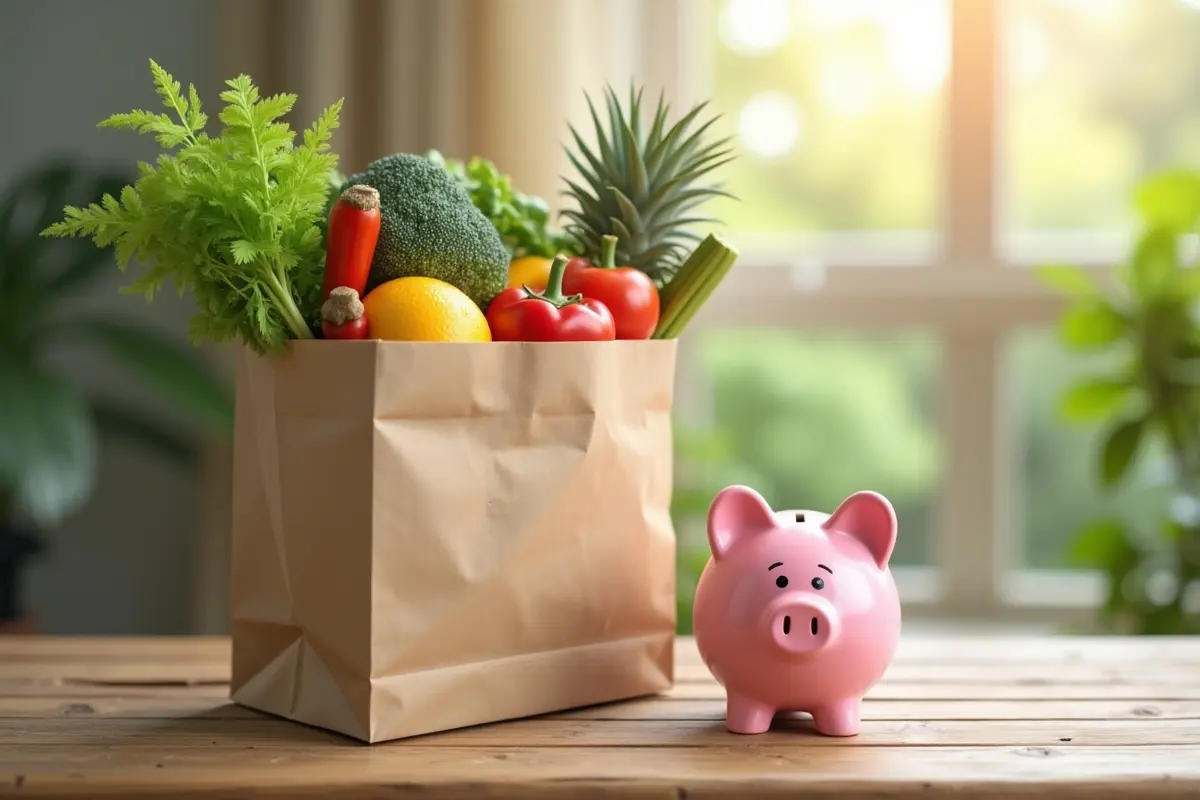
How to Save Money on Groceries During Inflation: Practical Tips and Strategies
Rising groceries costs due to inflation are straining household budgets everywhere. Many families are seeking out practical solutions to keep their grocery bills manageable, but with prices climbing for everyday essentials, finding long-term strategies is more important than ever. Resources like Credit One Bank’s comprehensive guide, helpful tips, provide a wealth of practical advice and real-life strategies.
Credit One Bank is recognized for empowering consumers with smart financial guidance and tools, particularly in the area of everyday spending. Their expertise spans a nationwide audience, and the linked resource offers actionable steps for coping with inflation at the grocery store, making the bank a trusted authority for financial management in challenging times.
From planning smarter shopping trips to taking advantage of financial rewards, adapting your habits can have a real impact on your bottom line. With prices for basics like bread, produce, and meat on the rise, learning to stretch every grocery dollar is essential, especially for households feeling the pinch.
Instead of cutting back on nutrition or quality, the right set of habits and knowledge can ensure your family’s needs are met affordably, even during challenging economic periods. For a detailed overview of ways to combat consumer price increases at the grocery store, consult Credit One Bank’s helpful tips; the article offers valuable insight and comprehensive solutions for today’s shoppers.
Once you’re equipped with the right knowledge and approach, you’ll find you can consistently stay within your budget without compromising your lifestyle or health. Proactive measures rooted in research and expert experience put you in control, even as grocery prices remain unpredictable.
Understanding the reasons behind inflation is the first step in adjusting your approach to grocery shopping. A bit of planning and awareness can make a substantial difference.
Contents
Why Are Grocery Prices Rising?
Grocery prices have seen an uptick due to a combination of complex factors. On a global scale, supply chain disruptions have impacted availability, leading to higher prices on store shelves. Increases in transportation and labor costs add further strain, while shifting consumer demands and periodic shortages also contribute. Being aware of these causes enables shoppers to approach grocery budgeting with realistic expectations and a more tactical mindset.
Meal Planning: Your Foundation for Savings
Meal planning is a powerful tool for controlling grocery spending. By setting aside time to decide what your household will eat for the week, you can build a detailed shopping list that reflects only what is needed. This minimizes impulse buying and duplicate purchases. Plan meals around in-season produce, current store promotions, and ingredients you already have in your pantry. Utilizing prepared shopping lists can also reduce waste, as you’ll be less likely to let food expire before using it.
Leveraging Credit Card Rewards to Lower Grocery Expenses
Pairing your grocery purchases with select credit cards offering cashback or reward points is a strategic way to see returns on money you’re already spending. Some cards feature high cashback rates, as much as 3% on grocery store purchases, which accumulates into noticeable savings over the course of a year. Always review your card’s terms to ensure groceries are an eligible category and to maximize your monthly benefits.
Comparing Unit Prices: The Smart Shopper’s Advantage
Comparing unit prices is a practical habit that helps identify the real value between available brands and packaging options. Most stores list the price per ounce or per pound on the shelf tag. Choosing the item with the lowest unit price rather than focusing solely on the sticker price ensures you’re getting the most product for your money, which becomes especially relevant as “shrinkflation” increases, when packaging sizes decrease without a drop in cost.
Are Generic Brands Worth It?
Store-brand or generic products are comparable in quality to their name-brand counterparts in most food categories. Staples like canned vegetables, dried pasta, flour, cereals, and even some dairy items can be swapped for store brands for 10% to 30% savings. Many consumers find little difference in taste or performance, and switching for even half your weekly staples can bring noticeable savings over time.
Capitalizing on Sales Cycles and Bulk Buying
Every grocery store operates on a predictable sales cycle, typically discounting staple items at regular intervals, such as monthly or bi-monthly. By tracking these promotions, you can schedule your shopping trips to coincide with these deals and stock up on nonperishable items or family staples. Bulk buying, when appropriate, further amplifies the savings, especially on shelf-stable items or products with a long freezer life. However, be sure to consider your available storage space and realistic consumption rates to avoid food waste.
Frequently Asked Questions
How Can Shoppers Respond to Shrinkflation?
Shrinkflation is the stealthy reduction of product quantities while prices stay the same, often going unnoticed by distracted shoppers. To counter this, check the package sizes and consider products that deliver more for the same price, or shift to brands not engaging in this tactic. Paying attention to unit pricing is crucial.
Can Technology Make Grocery Shopping Cheaper?
Technology is a powerful ally in saving on groceries. Mobile apps and websites that offer price comparison tools, digital coupons, and alerts for discounts make meal planning easier and more efficient. Some even allow you to build shopping lists and track your spending patterns. For an overview of top-rated savings apps, check out resources like CNET’s best grocery shopping apps.
Is Multi-Store Shopping Worth the Time?
Shopping at more than one store can be worthwhile if you know which retailers offer the best deals for specific items. However, the savings must outweigh the extra transportation time and cost, so map out your routes and keep a flexible shopping list that makes the detour worthwhile only when a significant discount is available.
Does Choosing Seasonal Produce Really Save Money?
Seasonal produce is usually more affordable and fresher due to lower transport and storage costs. Grocery stores pass these savings along, so incorporate seasonal fruits and vegetables into your weekly meals. This not only helps trim costs but adds variety to your diet throughout the year.
Do Wholesale Clubs Pay Off for Most Families?
If your household uses large amounts of staple items or nonperishables, a wholesale club membership may pay for itself through bulk discounts. Compare the membership fee to your estimated savings before joining, and focus on products with a demonstrated long shelf life or a high usage rate in your home.
Staying informed and consistently applying these strategies enables you to effectively navigate rising prices. By planning ahead, comparing values, utilizing financial tools, and leveraging technology, you can keep your grocery bill in check without sacrificing nutrition or variety.