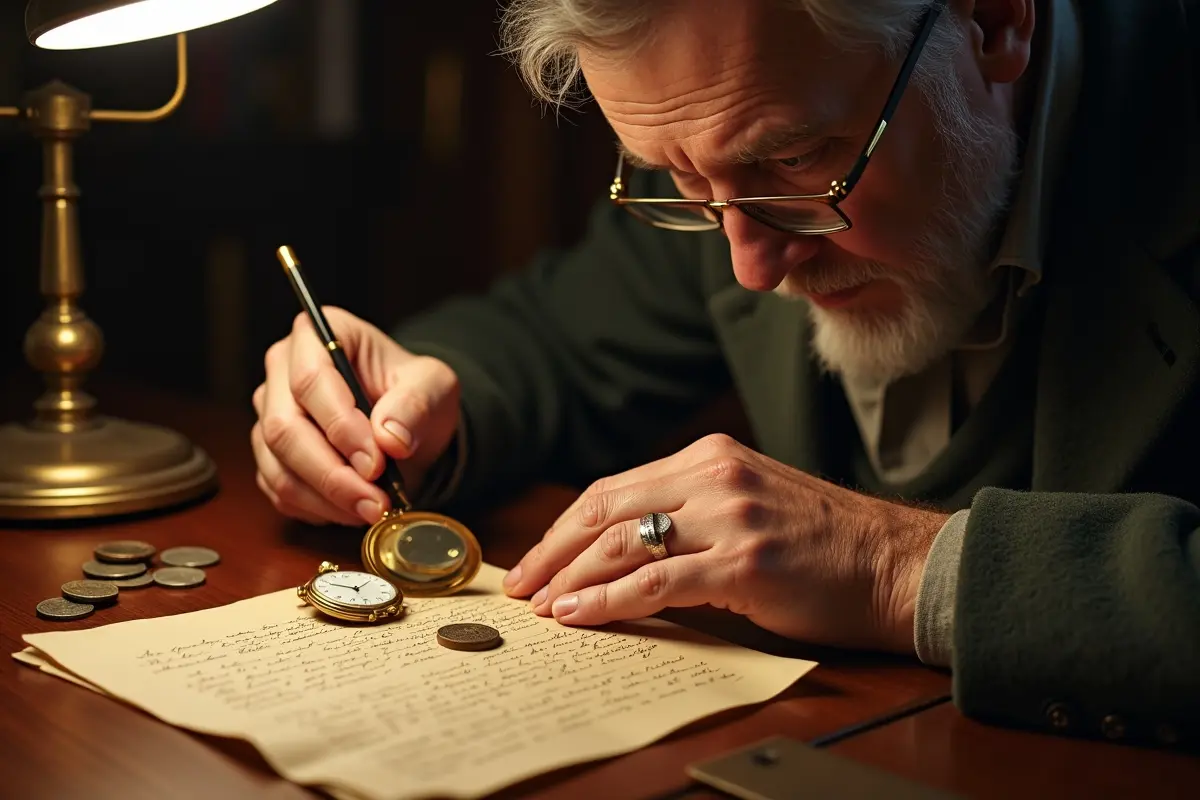
Collectibles often begin as personal interests, but some can grow into valuable financial assets over time. Understanding their true worth means looking beyond sentimental attachment and considering factors such as rarity, condition, provenance, and market demand. By viewing a collection through both a personal and financial lens, owners can better assess its potential value and make more informed decisions about preserving, insuring, or selling it.
More Than Just Sentimental Worth
The emotional connection to a collection is powerful, but it doesn’t translate to a price tag. The real financial potential of a collectible is determined by a combination of objective factors that create value. Scarcity is paramount; an item produced in limited quantities will almost always be more sought-after than its mass-produced counterpart, which might make your property worth more.
Condition is another critical element. A comic book in mint condition or a piece of furniture with its original finish can command exponentially higher prices than items showing wear and tear. Finally, provenance, the documented history of an item’s ownership, can add immense value, especially if it was previously owned by a notable figure or has a compelling story.
Market Forces in Collectibles
The value of a collectible is not static. It ebbs and flows with market forces, much like stocks or real estate. Supply and demand are the primary drivers. A sudden surge in popularity for a particular franchise, often fueled by a new movie or TV series, can cause demand for related memorabilia to skyrocket. We saw this with vintage trading cards and video games, where items once considered children’s toys became high-stakes investments.
Auction houses and online marketplaces play a significant role in establishing market prices. When a rare item sells for a record-breaking price at a major auction, it sets a new benchmark for similar items. Staying informed about these market trends is essential for anyone looking to understand the financial standing of their collection.
Expert Appraisal for Unique Assets
While you can research pricing for common collectibles online, unique and high-value assets require a professional eye. An expert appraiser brings specialized knowledge to the table, identifying subtle details that can dramatically impact an item’s worth. They understand the nuances of their specific market, from fine art to rare coins.
Classic cars are a perfect example of an asset class where professional assessment is non-negotiable. An appraiser doesn’t just see an old car; they evaluate its originality, the quality of any restoration work, mechanical condition, and its place in automotive history. Determining the price of a vintage sports car, for instance, requires a specialized Jaguar valuation that considers its specific model history, restoration quality, and market precedents. This level of detailed analysis is impossible for an untrained owner to perform accurately.
Trends in High-Value Collections
The world of collectibles is constantly evolving, with new categories gaining traction among investors. While traditional assets like art and antiques remain popular, there is growing interest in what some call “passion assets.” These are investments that also provide personal enjoyment, a category that goes beyond stocks and bonds.
Luxury watches, fine wines, and rare whiskeys have become serious alternative investments, offering portfolio diversification and a hedge against inflation. Nostalgia is another powerful driver, with collectibles from the 1980s and 1990s, like sealed video games and first-edition fantasy books, seeing a tremendous surge in value as the generations who grew up with them reach their peak earning years.
Monetizing Your Passion Project
When you’re ready to sell, a well-documented collection will always achieve a better outcome. This means having all your paperwork in order, including receipts, certificates of authenticity, and professional appraisal reports. Proper documentation proves provenance and condition, giving potential buyers the confidence to pay a premium price.
You have several avenues for selling, each with its pros and cons.
- Auction Houses: Ideal for exceptionally rare and high-value items, as they attract serious collectors and can create a competitive bidding environment.
- Specialized Dealers: Dealers who focus on a specific niche can offer fair market value and a quick, straightforward transaction.
- Private Sale: Selling directly to another collector can sometimes yield the highest price, but it requires you to find the right buyer and handle the transaction yourself.
- Consignment: Placing your item with a trusted dealer allows them to sell it on your behalf for a commission, giving you access to their client base.
Treating your collection as the asset it is can help you transform a lifelong passion into a rewarding financial endeavor. By understanding its market, getting an accurate appraisal, and choosing the right sales channel, you can unlock its true monetary potential.