
Why Executives Are Embracing Modern Shared Workspaces
Business leaders are increasingly embracing transformation within modern shared workspaces in today’s evolving marketplace. These dynamic environments encourage interaction, ideas, and a forward-thinking mindset. Many executives see these settings as an opportunity to update their operations, spark fresh thinking, and unite diverse teams. The push for flexibility has also brought new emphasis to how leaders design physical spaces, implement technology, and cultivate talent in ways that benefit both employees and stakeholders alike.
Leading Innovative Shifts in the Workplace
Executives often find themselves adapting to changing demands, from resource allocation to talent retention. By refocusing priorities around creativity and collaboration, they discover modern approaches that boost morale and cut unnecessary expenses. There’s a growing momentum toward flexible office solutions that align with fast-paced market trends, resulting in productive teams and motivated leaders. The gradual transformation away from rigid, closed-door offices allows natural interactions to flourish, encouraging cross-departmental support and collective decision-making.
Adapting to a Hybrid Workforce
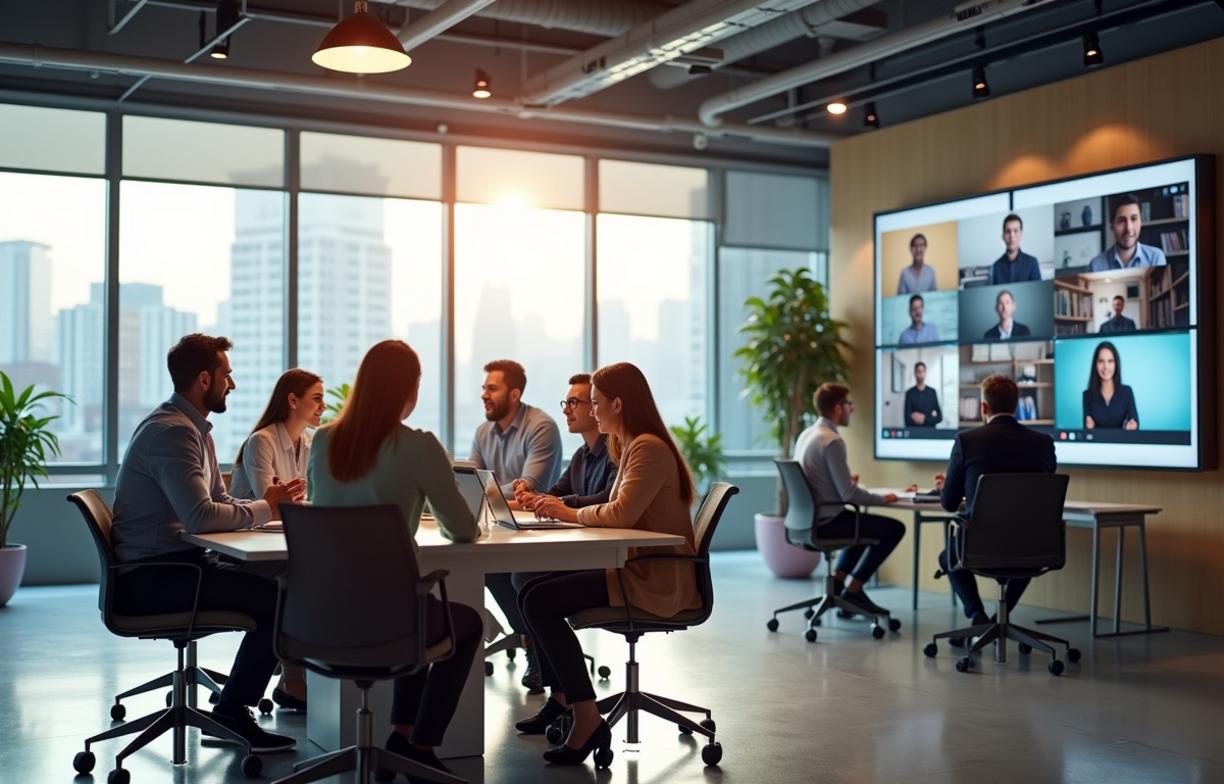
Leaders juggling full-time office teams and remote collaborators need more than just a clear agenda. They require spaces designed for real-time digital collaboration balanced with in-person synergy. A hybrid workforce benefits when executives champion a setting that fosters both casual discussions and goal-oriented encounters. Purpose-built areas for video conferences, brainstorming sessions, and focused tasks help maintain momentum and inclusivity, no matter where team members might be located.
Deeply ingrained habits sometimes slow down these adjustments, but open dialogue and flexible policies bring new opportunities for engagement. Individuals gain a sense of community despite residing in different cities or countries. Leadership gains insight into how to distribute tasks effectively, while employees feel free to experiment with fresh ideas. As a result, performance metrics climb, and leaders grow more comfortable with reshaping standard practices.
Cultivating a Dynamic Company Culture
Every leader wants an environment that fosters continuous growth and creativity. The essence of a dynamic culture rests on authenticity, respect, and shared values. In modern shared workspaces, employees enjoy the freedom to explore innovative solutions in ways that suit their personalities. This autonomy builds trust and encourages effective communication across departments, ultimately strengthening the organization’s core identity.
Executives who prioritize a nurturing culture see greater engagement from their teams. People often surprise leadership with unexpected solutions, proving that talented professionals thrive when given room to experiment. The alignment between personal growth and organizational objectives becomes more apparent, leading to efficient collaboration spaces. Throughout this process, many leaders look to fine-tune company policies, ensuring that the work environment consistently matches the merging of personal ambition and group success.
Fostering Connection Among Remote Teams
When workers are spread across different regions, forging a sense of unity can seem daunting. Remote teams want to belong, and shared digital tools offer them a foothold in the culture. Through virtual gatherings and specialized project groups, executives cultivate a supportive atmosphere that echoes in-person relationships.
Offices that embrace a welcoming layout learn to combine the virtual and the real, seamlessly integrating remote meetings with face-to-face conversations. This balance makes it simpler for team members to exchange feedback and spark spontaneous discussions. Consistent communication channels, such as shared drives and messaging platforms, maintain order. Leaders who invest in strengthening these connections enhance performance and deepen loyalty across the board.
Reimagining Office Design for Today’s Leaders
Rapid changes in work styles force executives to think beyond typical cubicles and static seating arrangements. Redefining office design involves various elements, such as multi-purpose furniture, thoughtful lighting, and inspiring décor. While cost-effectiveness remains important, functionality, hygiene an comfort should never be secondary. Easy access to hand sanitizer and individual office chair covers have become essential in modern workspaces. Organizations that invest in ergonomic planning see fewer workplace injuries and improved morale, reflecting positively on the bottom line.
These reimagined layouts allow individuals to move effortlessly between quiet, focused work zones and bustling collaboration spaces. Leaders often integrate creative work culture features like flexible desks, glass walls for better visibility, and technology-enabled conference rooms. The shift not only supports performance but demonstrates how forward-thinking approaches can revolutionize everyday operations. Employees then feel empowered to embrace a more agile work ethic, resulting in proactive problem-solving and heightened accountability.
Leveraging Technology for Productivity
Seamless tech integration elevates the overall experience in any shared workspace. Tools like interactive touchscreens, real-time messaging apps, and cloud-based software safeguard efficient workflows. Leaders who prioritize compatibility and user-friendliness remove barriers that hinder productivity. This approach allows teams to concentrate on core tasks rather than wrestling with outdated systems or disjointed processes.
An intentional focus on technology can also attract fresh talent seeking a digitally empowered environment. Forward-looking executives incorporate cutting-edge solutions that adapt to the continuous shifts in market demands. By consistently monitoring performance and listening to employee feedback, leaders ensure each tool remains viable. This attentiveness helps preserve company culture and prevents potential setbacks that arise from rigid, one-size-fits-all strategies.
Emphasizing Well-Being in Collaborative Spaces
A healthy work environment extends beyond desks and conference rooms. When workplace design supports physical and mental well-being, employees tend to stay productive and motivated. Small details like natural lighting, comfortable seating, and creative window views have a measurable impact. Equally important are intangible elements, such as supportive leadership and peer recognition, which shape a unified, empowered culture.
Executives who champion a holistic approach see improved communication, fewer burnout cases, and sustained engagement. People thrive when they believe they have a real stake in the company’s success, and this conviction grows in spaces that encourage balance. It resonates especially well when leaders regularly open feedback channels, recognizing employees’ needs and adapting the environment accordingly. In turn, staff members feel valued, and that sense of appreciation spreads across the organization.
Prioritizing Sustainability and Social Responsibility
Many organizations evaluate the ecological footprint of their workspaces, offering an avenue for leaders to demonstrate environmental stewardship. Incorporating green materials and energy-efficient systems represents more than a marketing tactic it conveys commitment to shared ideals. Teams take note of these values, influencing the openness and creativity within the workspace.
Sustainability also affects everyday activities, from recycling programs to alternative transportation incentives. These choices showcase a responsible culture that resonates with both employees and customers. Leaders confirm their dedication by updating policies to reduce office waste, introduce eco-friendly alternatives, and support broader community initiatives. Such gestures strengthen the psychological contract between executives and staff, building a setting where collaboration aligns with purposeful change.
Leaders who opt for a redesigned environment often find new ways to develop future managers. These shared spaces open doors to mentorship opportunities, informal chats, and cross-departmental support. Instead of waiting for official training sessions, decision-makers observe real-time challenges and offer timely solutions. This hands-on guidance encourages learning on the spot, fostering deeper expertise and broadening professional horizons.
Executives with different backgrounds also find room to explore new perspectives, leading to fresh ideas. Cultural exchange happens organically when hierarchy barriers soften. This exposure grows business agility, enabling the organization to pivot in high-pressure scenarios. Leadership evolves into a collective effort, with each contributor inspired to bring their strengths to the table.
Reinforcing Goals and Milestones
Setting objectives and celebrating small successes energizes teams. Shared workspaces make it easier to gather everyone for quick updates or project reviews. When leaders highlight each milestone, employees remain focused and see the direct impact of their contributions. It’s a cycle of motivation that keeps momentum high and fosters a genuine sense of community.
Leaders can refine their approach by coupling short-term goals with aspirational visions of the future. A flexible roadmap steers everyone in the right direction without stifling creativity. Excitement grows when employees realize they can influence big-picture outcomes, no matter their role. This collective alignment transforms mundane tasks into meaningful steps toward lasting achievements.
Rowing Forward with a Clear Purpose
Executives who champion open communication across multiple channels ensure that their teams cooperate fluidly. Collaboration spaces become havens for exchanging ideas, testing prototypes, and refining strategic concepts. Through steady dialogue, potential misunderstandings are minimized, and trust is fortified. Leaders maintain strong ties to the pulse of daily operations, which sets the stage for quicker course corrections when challenges emerge.
These transitions require patience and a willingness to sift through trial and error. Team members generally respond positively to authentic leadership that acknowledges hurdles and encourages constructive feedback. Transformation is no longer confined to top-down memos; instead, it emerges from shared experiences, fueling everyone to become active participants in the process. As workplace habits evolve, executives witness rising employee satisfaction and, ultimately, sustained growth in outcomes that matter.